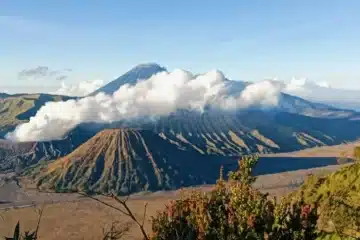
Upacara Kasada often attracts attention because of its unique tradition and dramatic setting at Mount Bromo. However, many visitors see it only as a cultural spectacle without fully understanding its sacred meaning. This lack of awareness can lead to misunderstandings and unintentional disrespect toward the ritual. For this reason, it is important for you to understand what Upacara Kasada truly represents. This article explains the meaning, origin, process, and proper way to experience this important tradition.
What Is Upacara Kasada?
Upacara Kasada is a traditional religious ceremony practiced by the Tengger Tribe as a form of prayer and offering. It is deeply rooted in their belief system and has been preserved for generations as part of their cultural identity.
For the Tengger people, this ritual serves several important purposes. It is a spiritual offering dedicated to Sang Hyang Widhi and ancestral spirits. It also expresses gratitude for safety, fertile land, and a harmonious life. In addition, Upacara Kasada is part of the Tengger traditional calendar and is performed during the Kasada month.
More than a ceremonial event, Upacara Kasada is a sacred moment that connects humans, nature, and ancestors in a balanced spiritual relationship.
The Origin and Meaning of the Kasada Ritual
The origin of Upacara Kasada is closely linked to the legend of Rara Anteng and Joko Seger, who are believed to be the ancestors of the Tengger Tribe. According to the legend, they prayed to Sang Hyang Widhi for children and promised to offer their youngest child as a sacrifice.
1. Symbol of Sacrifice
Sacrifice in the Kasada ritual represents sincerity and faithfulness to a promise. It reflects the belief that commitments must be honored, even when they require great personal sacrifice. This value teaches responsibility and moral integrity, which remain important principles in Tengger society today.
2. Expression of Gratitude
Gratitude is a central meaning of Upacara Kasada. Through offerings and prayers, the Tengger people express appreciation for life, family, agricultural success, and protection from harm. This ritual reminds the community to remain thankful and humble, regardless of their circumstances.
3. Respect for Nature
Mount Bromo is considered a sacred place by the Tengger Tribe. The Kasada ritual reflects deep respect for nature as a source of life and balance. By honoring the mountain, the community reinforces the belief that humans must live in harmony with their environment, not dominate it.
Through these meanings, Upacara Kasada continues to pass down ethical values such as honesty, responsibility, and respect for nature.
The Process of Upacara Kasada
Upacara Kasada is carried out through a series of well-structured stages, each holding spiritual significance. Every part of the ritual is performed with awareness, respect, and collective participation.
1. Prayers at Pura Luhur Poten
The ceremony begins with communal prayers at Pura Luhur Poten, a sacred temple located in the Sea of Sand area. These prayers are led by traditional spiritual leaders and focus on asking for safety, blessings, and balance in life. Pura Luhur Poten serves as the spiritual center where the community prepares mentally and spiritually before the main ritual.
2. Procession to the Mount Bromo Crater
After the prayers, the Tengger people walk together toward the crater of Mount Bromo while carrying offerings. This procession is conducted in a solemn and orderly manner. The journey symbolizes devotion and respect toward the sacred mountain, as well as unity among the community members.
3. Offering at the Crater
The final stage takes place at the crater of Mount Bromo. Offerings such as agricultural produce, livestock, and traditional food are respectfully presented. These offerings symbolize sincerity, gratitude, and submission to divine will. This moment is considered the most sacred part of the ritual.
For the Tengger people, each step of this process is a form of spiritual communication that must be carried out with full respect.
When and Where Is Upacara Kasada Held?
Upacara Kasada is held once a year and remains one of the most anticipated traditions for the Tengger community.
1. Time of the Ceremony
The ritual usually takes place between June and July, depending on the Tengger calendar. The exact date may vary each year, making it important for visitors to plan their visit carefully.
2. Main Locations
The ceremony begins at Pura Luhur Poten and continues to the Mount Bromo crater. All activities take place within the Bromo Tengger Semeru National Park area, which is protected and culturally significant.
Due to its location in a famous tourist destination, Upacara Kasada attracts visitors from Indonesia and abroad.
Etiquette When Attending Upacara Kasada
As a visitor, understanding proper etiquette is essential to respect the sacred nature of Upacara Kasada.
1. Respect the Ritual
Visitors should remain quiet, avoid loud conversations, and show respectful behavior throughout the ceremony.
2. Do Not Disturb the Procession
It is important not to block the path of participants or interfere with any part of the ritual.
3. Maintain a Safe Distance
Keeping a respectful distance is especially important during the offering at the crater, as this is the most sacred moment.
3. Dress Modestly and Keep the Area Clean
Wearing appropriate clothing and maintaining cleanliness reflect respect for local culture and the natural environment.
Upacara Kasada is a valuable cultural heritage that reflects the spiritual values, gratitude, and respect of the Tengger Tribe toward nature and their ancestors. This sacred ritual is not only an expression of cultural identity but also a reminder of the importance of harmony between humans and the environment. For you who wish to experience local culture more deeply, witnessing Upacara Kasada can be a meaningful and memorable experience. You can plan your visit to Mount Bromo during this special time and arrange your journey with Wonderful Bromo Travel. Check the complete tour package information on their official website.