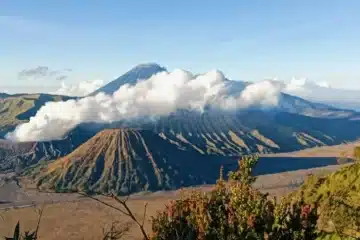
Bromo Tengger Semeru National Park, commonly known as TNBTS, is one of the most popular natural tourism destinations in Indonesia, attracting both domestic and international visitors. The high number of visitors brings positive impacts to tourism, but it can also create safety risks and environmental damage if not properly managed. For this reason, TNBTS has official regulations that every visitor must understand and follow. By knowing these rules in advance, you can enjoy the beauty of Bromo safely while also helping to preserve nature and local culture.
What Is TNBTS?
TNBTS is a national conservation area that includes several iconic landscapes in East Java, such as Mount Bromo, Mount Semeru, the Sea of Sand, vast savanna fields, and the cultural area of the Tengger community. This park is not only a tourist destination but also a protected area for ecosystems and a living space for local communities.
The park is strictly managed to maintain a balance between tourism activities, environmental conservation, and visitor safety. Every visitor entering TNBTS is considered part of the conservation effort, not just a traveler enjoying the scenery.
General Entry Regulations for TNBTS
Before entering TNBTS, there are several basic rules that visitors must understand and comply with. These regulations help control visitor flow and ensure safety within the park.
Some of the general regulations include:
-
All visitors must purchase official entrance tickets through the reservation system set by TNBTS management
-
Visitors may only enter through official gates such as Cemoro Lawang, Tosari, Wonokitri, or Jemplang
-
Bringing dangerous items, alcohol, or illegal substances into the park is strictly prohibited
-
Single-use plastic waste is limited to reduce environmental pollution
Following these rules helps maintain order and protects the natural environment of Bromo.
Driving and Jeep Regulations in the Bromo Area
One of the unique experiences in Bromo is exploring the Sea of Sand using a jeep. However, not all vehicles are allowed to enter the core area of TNBTS.
Important driving regulations include:
-
Only official TNBTS jeeps are allowed to enter the Sea of Sand area
-
Private vehicles, including motorcycles and personal cars, are not permitted in the core zone
-
Jeep drivers must follow designated routes determined by park authorities
-
Speed limits must be observed to ensure the safety of passengers and other visitors
These regulations are designed to prevent accidents, reduce damage to the sandy terrain, and ensure a comfortable experience for all visitors.
Visitor Etiquette Inside TNBTS
In addition to written rules, visitor behavior plays an important role in preserving the park. Responsible conduct helps protect both nature and local traditions.
Visitors are expected to:
-
Avoid damaging vegetation or taking plants, stones, or sand as souvenirs
-
Refrain from feeding wild animals, as it may disrupt their natural behavior
-
Stay on designated trekking paths and official jeep routes
Respecting the environment and local values will make your visit more enjoyable and meaningful.
Photography and Drone Regulations
Photography is an essential part of visiting Bromo, but certain rules apply, especially regarding drone use.
Key regulations include:
-
Drone usage requires official permission from TNBTS management
-
Unauthorized drones may be confiscated and subject to penalties
-
The use of flash is prohibited near Pura Poten and when photographing wildlife
These rules help protect sacred areas, ensure visitor comfort, and maintain flight safety.
Visitor Safety Regulations of TNBTS
TNBTS is located in an active volcanic area, making safety a top priority. Volcanic activity levels may change at any time and must be closely monitored.
Important safety rules include:
-
Visitors are prohibited from approaching the crater rim when volcanic activity increases
-
Always follow instructions from park officers and warning signs on site
-
Check official updates regarding the status of Mount Bromo and Mount Semeru before and during your visit
Ignoring safety regulations can put yourself and others at risk, which is why awareness and compliance are essential.
Following TNBTS regulations is not just an administrative requirement, but a shared responsibility to protect safety and preserve the natural beauty of Bromo Tengger Semeru National Park. By complying with these rules, you help protect yourself, respect local culture, and support the sustainability of this remarkable destination. A good understanding of TNBTS regulations ensures a safer, more comfortable, and more rewarding travel experience. If you are planning to visit Bromo, Wonderful Indonesia can be a great option to help arrange your trip. Check the complete information here!